

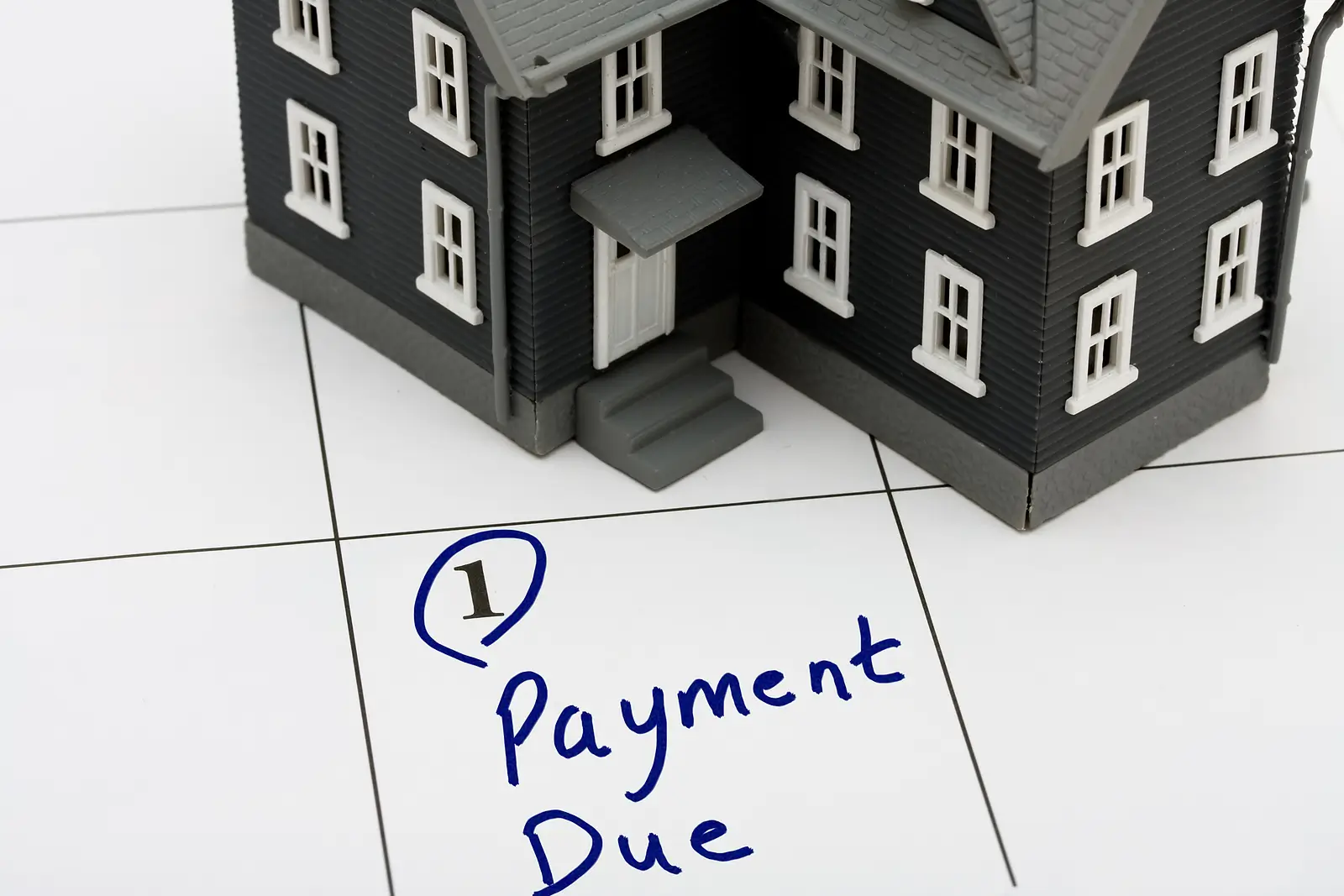
A stable cash flow is what keeps the business running, and you achieve that by performing your property management duties, including rent collection. Rent payments make it possible for you to cover expenses like maintenance, mortgage, utilities, and more, so it's easy to see what happens when the tenants stop paying rent.
Learning how to manage late rent payments may be helpful, but you're better off implementing proactive measures instead. Here are ways you can prevent late payments in your rental business.
Key Highlights:
- Stable cash flow depends on consistent rent collection, which allows landlords to cover mortgage payments, maintenance, insurance, and other operating expenses.
- Clear lease terms, including due dates, grace periods, and late fees, help set expectations and prevent confusion about rent payments.
- Offering multiple payment methods and using property management tools can reduce late payments through convenience, automation, and better tracking.
- Thorough tenant screening lowers the risk of chronic late payments and protects your rental business from financial instability.
- When late payments occur, landlords must follow a structured process, communicate, send proper notices, apply fees correctly, and comply with landlord-tenant laws to avoid legal and financial consequences.
1. Create Clear Terms in Your Lease Agreement
State the monthly due date and amount in the lease agreement, and define the grace period length thoroughly. Should tenants fail to make timely payments, they should also know the late fee amount and how you calculate it. Transparency is the first step to a seamless payment process.
2. Establish Multiple Payment Methods
By enabling multiple payment methods, both in person and online, monthly rent payments will be more convenient, motivating tenants to pay on time. You can accept ACH transfers or cash app payments, and include step-by-step payment instructions in the lease agreement.
3. Use Property Management Tools
There are property management software options that provide features like automated reminders, as well as recurring payments. Tenant portals can also provide tenants and landlords with transaction histories, which make it easier to keep track of payment dates should the need arise.
4. Screen Tenants Thoroughly
To avoid renting to late-paying tenants, use comprehensive screening criteria, such as credit score, employment verification, debt-to-income ratio, and previous landlord references. Not only will this reduce late rent payments, but it can also help you avoid renters who violate other lease rules.
5. Offer Payment Plans
While payment plans are usually offered for past due rent, you can also give them to tenants who may be experiencing temporary financial hardships. This can help you foster positive tenant relationships and still get timely rent payments.
How To Handle Late Rent Payments
Even with preventive measures to ensure tenants pay rent on time, you might still encounter late payments due to various reasons. If so, you need to handle it correctly, not just to prevent disputes, but also to follow landlord-tenant laws and keep your rental property legally compliant.
- Ask the tenant why they haven't paid past the due date. Some may be experiencing temporary financial difficulties, and you can help by waiving late fees or extending the grace period.
- Review the lease or rental agreement. Before taking action, review the lease agreement to determine the grace period, late fees, acceptable payment methods, notice requirements, and state-specific legal timelines.
- Confirm that the payment is late or was not received. Upon verifying the due date for that tenant, check whether the payment was past due. This is why tracking payments and rent deadlines is important in keeping rental property operations smooth.
- Send a late rent notice. When the tenant fails to pay rent on time or does not pay at all, you can send a notice informing them of the next steps, such as late fees or grace periods.
- Apply the late fees or offer payment plans. Be sure to apply the late fees for overdue rent as stated in the lease and notify the tenant of the new balance. If you are offering plans for partial rent payments, outline the payment process to your tenant to avoid misunderstandings and further delayed payments.
- Serve a formal "Pay or Quit" notice. If the tenant continues to make late rent payments or fails to pay, you can issue a legal "Pay or Quit" notice, which is required to begin the eviction process. Check the local or state landlord-tenant laws regarding the required timeline for issuing notices.
- File for eviction. If the missed payments continue even after rent reminders and notices, you can continue with legal action, such as filing for eviction. Repeated late payments should not be tolerated, since the financial stress will ultimately fall on you.
Risks of Not Receiving Rent on Time
Failure to regulate rent payments can make your property management duties more challenging. Some of the issues you may face include:
Cash Flow Disruption
Rental income covers your mortgage payments, property taxes, insurance premiums, HOA dues, maintenance, and repairs. Late payments will not only disrupt your cash flow but can also destabilize your entire investment strategy.
Property Deterioration
Without the money to address maintenance issues or emergency repairs, your rental property's conditions may decline and affect tenant satisfaction. You may also have to cover financial obligations that are otherwise funded by your rental income, which can quickly deplete your cash reserves.
Increased Operational Stress
When tenants pay rent late, many headaches tend to follow. It makes the rent collection process harder, and you'll be behind on operating expenses. Once that snowballs into bigger problems, operational efficiency will be significantly impacted, keeping you from fulfilling your property management and legal obligations.
Turnover Costs
When a tenant continues to fail to make on-time rent payments, you will have no choice but to evict them to prevent further income loss. All landlords know that the eviction process is tedious, considering the state and local laws you have to follow. Furthermore, you'll have to go through another rental process, which will also come with its own expenses.
Encourages Repeat Late Payments
You might find it harder to collect rent when you allow tenants to consistently pay rent late. It sets a bad precedent, and tenants may start thinking that they can make late payments without consequences, which will eventually hurt your financial stability.
Late Rent Payments FAQs
How much should I charge for late fees?
- Late fee limits vary by state and local law. Many landlords charge a percentage of rent or a flat fee, but you should verify what is legally permitted in your area.
What should I do with tenants who consistently pay late?
- If late payments continue despite communication and formal notices, you may need to consider legal remedies, including eviction, in compliance with state and local laws. Expenses incurred by turnovers are often worth it as opposed to having insufficient funds for crucial property expenses like maintenance and utilities.
How can I avoid tenants who pay late?
- Late payments are among the most frustrating challenges for a landlord, but they can be avoided by being thorough with your tenant screening process. It also helps to create comprehensive lease terms and foster clear communication to avoid disputes.
What Professional Property Managers Can Do For You
Rent collection is fairly easy when you have good tenants, but even then, you can face challenges that put your cash flow at risk. Many landlords recognize the risks of delayed rent payments and hire property management services to either prevent or address them.
CRM Properties can help you screen tenants meticulously for a more proactive approach. However, even quality tenants can pay rent late, which is where we enforce your lease and take the necessary measures to stabilize your cash flow.
We want you to reach your investment goals. Let's discuss how we can achieve that!