

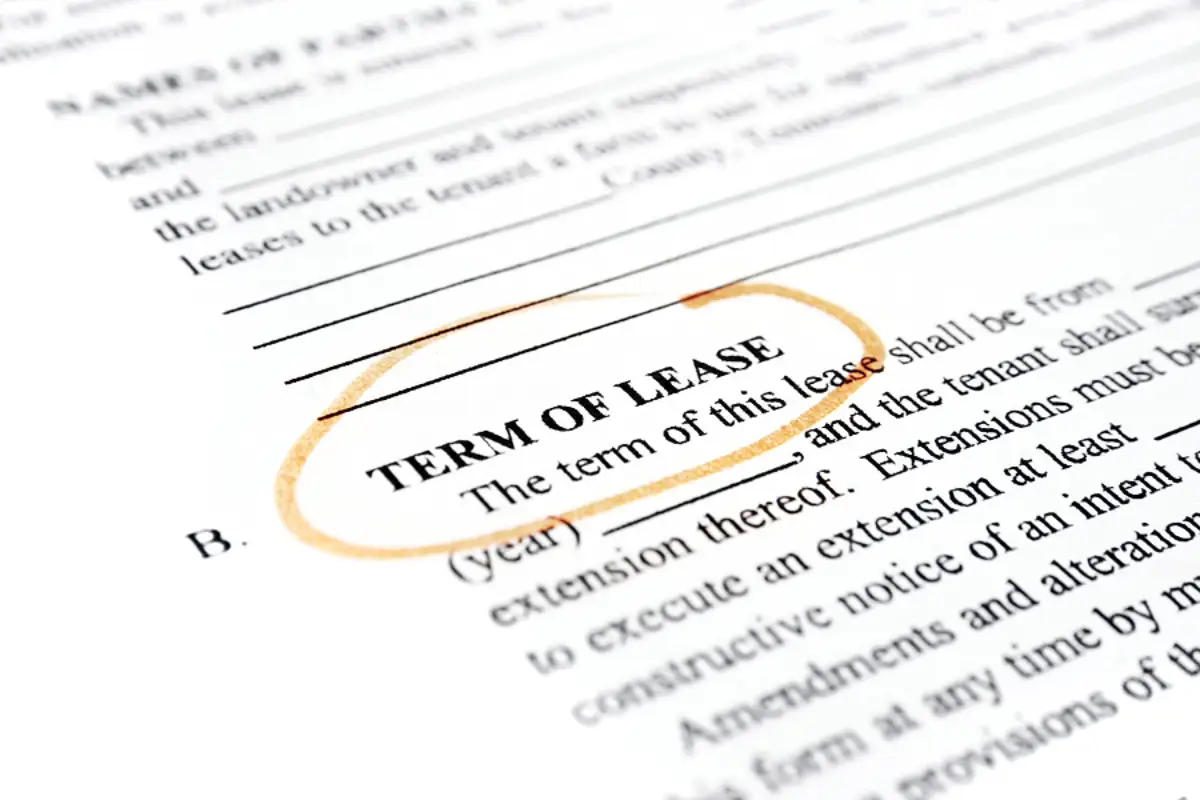
Lease agreements are legally binding contracts that both the landlord and the tenant sign to ensure cooperation and compliance from both parties, which is why breaking a lease in Indiana is no simple matter. Even if you or your tenant has legal cause, documentation and strict notice requirements are often still needed.
Although the landlord-tenant laws provide rental property owners more contractual freedom, you still need to understand restrictions that come with Indiana law to avoid violating them. This article serves as a guide for both landlords and tenants for breaking a lease early.
Key Highlights:
- Notice comes first. In Indiana, almost every path to ending a lease, whether initiated by landlord or tenant, requires proper written notice, and the required notice period depends on the reason and the type of tenancy.
- Landlords need cause and a process. A landlord can't remove a tenant on a whim; nonpayment of rent gets a 10-day cure notice, lease violations get a written notice and a chance to fix the issue, and only criminal activity on the premises skips the cure period entirely.
- Tenants have specific escape hatches. Uninhabitable living conditions, active military orders (SCRA), landlord harassment/privacy violations, and documented domestic violence, sexual assault, or stalking all give tenants a legal way to break a lease without owing rent for the full remaining term.
- Personal reasons don't count. Job relocation, a breakup, or simply changing your mind aren't legal grounds — breaking a lease for those reasons can mean owing rent, damages, and a harder time finding a place to rent in the future.
- Both sides have a duty to minimize damage. Landlords must make reasonable efforts to re-rent a vacated unit, and tenants can often reduce their liability by finding a qualified replacement tenant or negotiating a sublet rather than simply walking away.
1. Natural Expiration of the Lease Term
The simplest way to end a lease in Indiana and every other state is to wait for the lease to expire. There will be no notice requirements or legal reasons required. You and your tenant can simply choose not to renew for the next term.
However, some lease agreements have a notice-of-intent-to-vacate or early termination clause, which means a notice might still be needed stating that the lease will not be renewed.
This may be an acceptable option for month-to-month leases, but it might take longer for fixed-term leases. As in every other state, a lease in Indiana can be broken by going through the process, such as providing the landlord with written notice, with the number of days in advance depending on the circumstances.
2. Landlord-Initiated Termination for Cause
A landlord can end a tenancy before the lease expires for several reasons, each with its own notice period.
Nonpayment of Rent
Tenants can be evicted for nonpayment of rent under Indiana law, but the landlord must still provide 10 days' notice. The termination can be reversed if the tenant pays rent before the notice expires or if both parties agree to an alternative solution.
Lease Violations
When tenants fail to follow the rules outlined in the lease or rental agreement, the landlord can provide written notice describing the violation and offering an opportunity to fix the issue if possible. If the tenant fails to resolve the matter within the cure period, you can legally break the lease.
Criminal Activity in the Premises
This is treated as the most serious violation and can support an accelerated eviction process, making it a major cause for breaking a lease. It doesn't come with a cure period, given the risks associated with the circumstances.
3. Tenant-Initiated Early Lease Termination
Indiana recognizes several situations in which a tenant may legally break a lease early without owing rent for the remainder of the term.
Uninhabitable Conditions
Tenants may terminate leases if the rental unit or property is uninhabitable, which may be due to the landlord failing to meet basic health and safety standards, such as providing hot and cold water and working locks. Failure to repair allows tenants to claim constructive eviction.
Active Military Service
Tenants can break leases for active military duty under federal law, since the Servicemembers Civil Relief Act protects tenants called to active duty. Furthermore, the tenant must be on active duty for at least 90 days to be eligible for lease termination. Lease termination takes effect 30 days after the next rent due date. This also applies to commissioned officers in the Public Health Service or NOAA.
Landlord Harassment
Residents can initiate early lease termination when the landlord fails to respect tenant rights. Privacy violations include failing to provide proper notice before entering the premises, as well as unwarranted disturbances or threats. Depending on the severity or whether the landlord repeatedly violates tenants' rights, renters can legally break a lease without further rent obligations.
Domestic Violence, Sexual Assault, or Stalking
Tenants can terminate leases due to domestic violence in Indiana, as long as there is proof. Documentation can include a protective order or no-contact order, or a safety plan dated within 30 days of the notice. The tenant can then break the lease without penalty and will only have to pay rent for the remaining term of the lease. The lease ends 30 days after notice is given, unless otherwise agreed.
What Doesn't Qualify as Legal Grounds for Early Lease Termination?
Other personal reasons, such as job relocation or other life changes, are not sufficient legal justification under Indiana landlord-tenant law. Breaking a lease without a legal cause can lead to penalties, payments for damages, and a bad reputation.
Breaking a lease in Indiana may differ in small ways from other states. Tenants remain responsible for rent until the lease term ends or until the landlord re-rents the unit, but it is the landlord's duty to make reasonable efforts to mitigate damages.
Tenants can also negotiate with the landlord for alternatives, such as finding a qualified replacement tenant or subletting the apartment or rental unit to the new tenant, who will make future rent payments. This can be just as suitable for landlords, since the alternative is unpaid rent or tedious legal processes.
Early Lease Termination FAQs
1. Can a landlord terminate a lease before it expires in Indiana?
Yes. A landlord can terminate a lease early for legal reasons such as nonpayment of rent, lease violations, or criminal activity on the property. The required notice and legal process depend on the reason for termination.
2. Can a tenant break a lease because of a new job or relocation?
Generally, no. Personal reasons such as accepting a new job, relocating, or changing living arrangements are not legal grounds for early lease termination in Indiana unless the landlord agrees to release the tenant from the lease.
3. Does the landlord have to try to find a new tenant after someone moves out?
Yes. Indiana landlords have a duty to make reasonable efforts to re-rent the property and reduce financial losses. This obligation helps limit the amount a former tenant may ultimately owe after breaking a lease.
4. Can landlords and tenants agree to end a lease early?
Yes. A mutual lease termination agreement is often the simplest solution. Both parties can negotiate the terms in writing, including move-out dates, final rent payments, and the return of the security deposit.
Protect Your Investment Through Professional Insight
Dealing with early termination constitutes legal advice, especially for landlords who may not be familiar with Indiana landlord-tenant laws. By failing to follow the rules, you can be subjected to eviction lawsuits and damage your rental business's reputation.
Our job at CRM Properties is to ensure we find reliable tenants in the first place through tenant screening, and if matters beyond your control lead to early lease termination, we will navigate them with experience and expertise.
Work with us, and discover how you can be a stress-free landlord.
More Resources:
Eviction Alternatives Indianapolis Landlords Can Explore
How to Retain Residents in Your Indianapolis Rental Property